


HALA ABDULLAH ALYAHYA
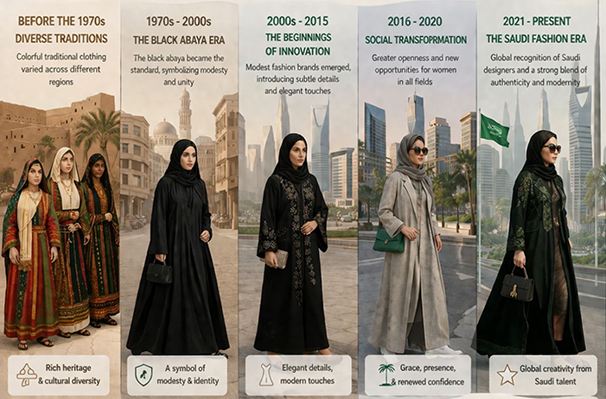
Fashion in Saudi Arabia is undergoing a powerful transformation, shaped by the seamless fusion of heritage and modern creativity. What was once a primarily traditional and modest industry has evolved into a dynamic global force, with projections placing its market value at $40 billion by 2030. Central to this shift is Vision 2030, which has positioned fashion as a key pillar in the Kingdom’s cultural and creative economy, fueling innovation, entrepreneurship, and global visibility.
This new era has redefined Saudi fashion, transforming it from localized craftsmanship into a rising powerhouse of luxury and streetwear, often described as “Saudi 180” a complete reimagining of identity, style, and influence.
The Renaissance of the Abaya
At the heart of this evolution lies the abaya, once a symbol of uniformity, now a canvas for expression. Designers have reinterpreted the classic black silhouette into contemporary, fashion-forward pieces crafted from linen, silk, and richly embroidered fabrics.
A defining trend is the “open abaya,” styled effortlessly over tailored trousers, casual streetwear, or even evening gowns. No longer just a garment of tradition, the abaya has become a statement of individuality, elegance, and cultural pride.
Pioneers and Brands
Saudi designers are gaining international recognition, reshaping perceptions of Middle Eastern fashion on the global stage.
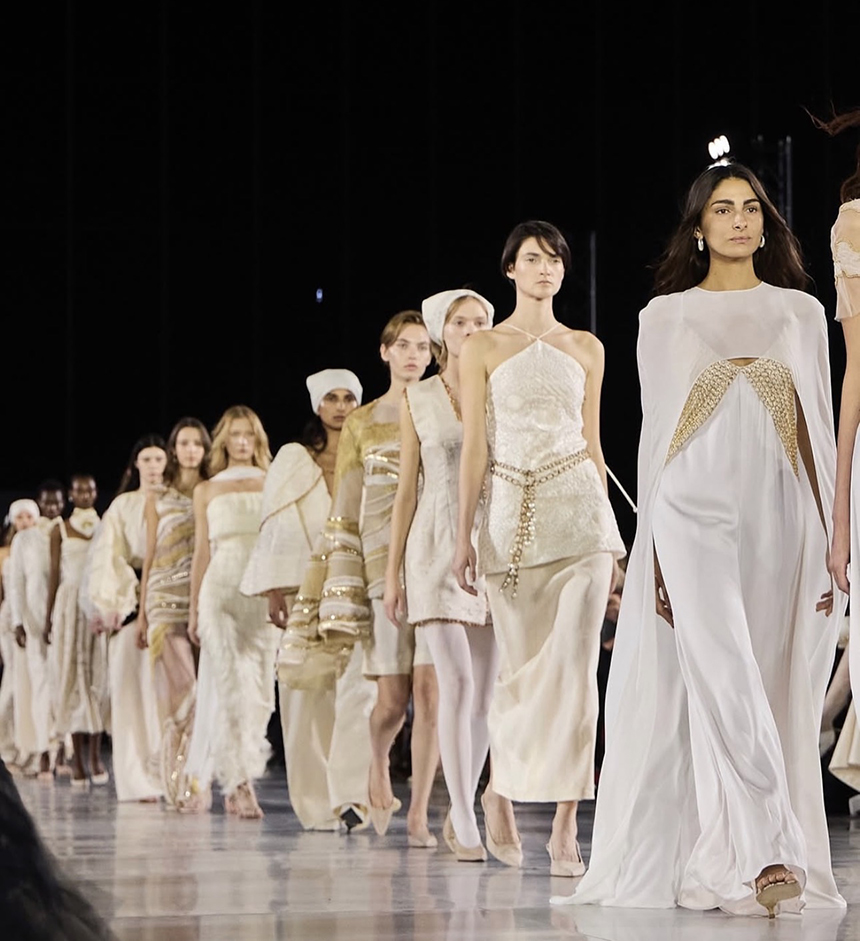
• Mohamed Ashi, founder of Ashi Studio, made history as the first Saudi designer to present at Paris Haute Couture Week, known for his architectural and sculptural couture. (instagram.com/ashistudio)
• Honayda Serafi has carved a niche in luxury ready-to-wear, blending empowerment with refined femininity. (instagram.com/honaydaofficial)
• Mohammed Khoja, through Hindamme, merges Eastern and Western aesthetics in contemporary streetwear. (instagram.com/hindamme)
• Razan Alazzouni is celebrated for her delicate embroidery and ethereal, feminine designs. (instagram.com/razanalazzouni)
Together, these pioneers reflect the diversity and ambition driving Saudi fashion forward.
From Tradition to Modern Identity
Historically, Saudi fashion was rooted in modesty and cultural identity. Men wore the thobe, shemagh, and bisht, while women wore the abaya and hijab as expressions of tradition and values.
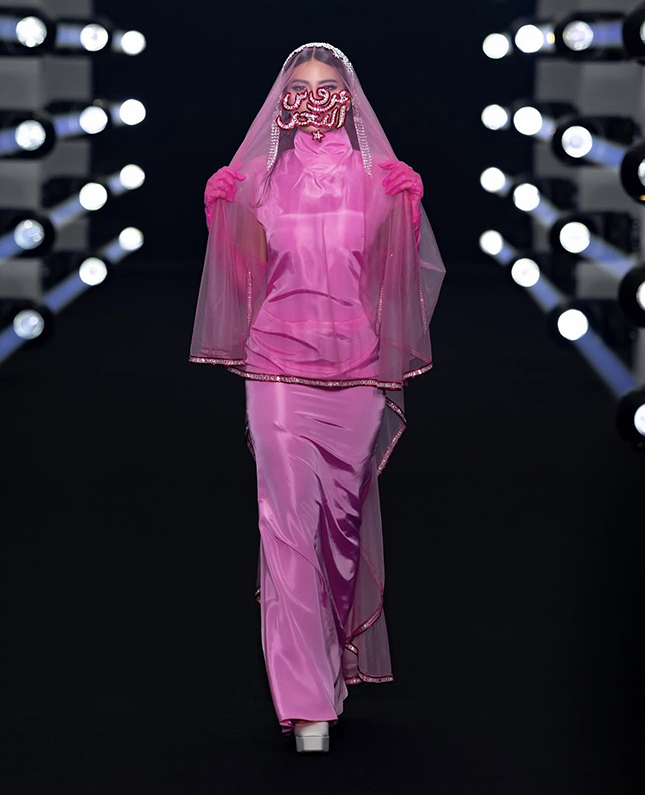
Today, global influence and local innovation have reshaped these staples. Designers reinterpret classic garments with color, tailoring, and embellishment, bridging heritage with modern aesthetics. Saudi fashion is no longer defined solely by tradition, but by its ability to evolve while honoring its roots.
The “Red Sea” Aesthetic
With the rise of luxury tourism along the Red Sea coast, a new category of Saudi resort wear has emerged. This aesthetic draws inspiration from natural surroundings, featuring sandy beiges, turquoise blues, and sunset hues.
Lightweight, breathable fabrics suit the coastal climate, while accessories such as handmade leather sandals and woven bags reflect traditional Al-Sadu craftsmanship. The result is a relaxed yet refined style that captures the spirit of modern Saudi leisure.
Designer Spotlight: Aram
Designed by Arwa Alammari, Aram’s Resort/Spring Summer 2026 collection blends heritage with a playful, nautical edge. Standout pieces include a tartan-inspired bomber jacket in soft neutrals and a bold, cruise-inspired 3D-printed handbag.
The collection balances structure with vibrancy, offering a fresh interpretation of resortwear. A fitting caption: Set sail in style, Aram’s cruise ship bag is the season’s most talked-about accessory.
Riyadh vs. Jeddah: A Tale of Two Styles
Saudi Arabia’s fashion identity is also shaped by its cities. Riyadh leans toward polished sophistication, with structured silhouettes, sharp tailoring, and understated luxury. Jeddah, in contrast, embraces a more relaxed, bohemian aesthetic, influenced by its coastal heritage and artistic spirit. Together, they represent the duality of Saudi fashion, where tradition meets experimentation.
Rebirth: Handcrafted Bohemian Luxury
Designer Tala Abukhaled’s collection Tactile Gestures (SS26) exemplifies the return to craftsmanship. Using natural materials like raffia and intricate handwork, her designs celebrate texture and movement.
Key pieces include a strapless raffia gown, a fringed cream suit, and a plaited corset adorned with wooden beads. The collection reflects a growing appreciation for artisanal, slow fashion rooted in heritage.
Screenshot
Street Style Snapshot
Saudi street style today is bold, layered, and expressive. Women pair open abayas with wide-leg trousers and graphic tees, often styled with sneakers like Nike Dunks. Statement hijabs in silk are draped creatively, sometimes finished with brooches.
Eveningwear has also evolved, with dramatic gowns often worn without abayas. For men, the look blends tradition and modernity, a crisp thobe paired with a tailored blazer or vintage accessories.
Seasonal colors include sand beige, dusty rose, olive green, and electric blue, reflecting both landscape and modern taste.
The Role of the Saudi Fashion
Commission
Government initiatives have played a pivotal role in accelerating the industry’s growth. Programs such as the 100 Saudi Brands initiative provide mentorship and global exposure for emerging designers.
Events like Riyadh Fashion Week have created a platform for local talent to connect with international buyers, further positioning Saudi Arabia as a global fashion hub.
Sustainable Heritage
Sustainability is increasingly shaping the future of Saudi fashion. Traditional techniques such as Al-Sadu weaving are being revived and integrated into contemporary design.
By combining heritage craftsmanship with modern sustainability practices, designers are creating pieces that carry both cultural depth and environmental awareness.
From heritage to haute couture, Saudi fashion has evolved, and the world is taking notice.