
BY SALMA AHMED
Every expat who arrives in Riyadh carries a different set of expectations, shaped by what they have heard, what they have read, and what life in Saudi Arabia might mean for them personally. For the eight women who shared their stories for this piece, what they found on the ground rarely matched the picture they had formed beforehand—though most would say the difference worked in their favor.
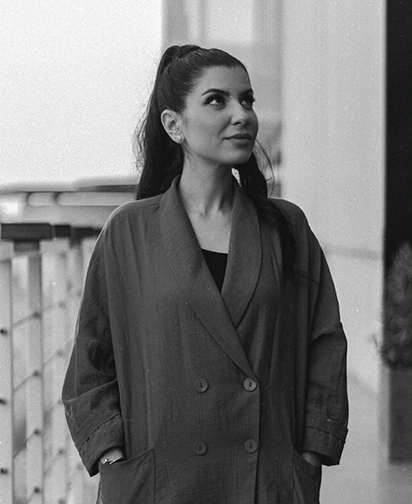
Cyrine El Hariri, a French content creator and event organizer who has been living in Riyadh for nearly three years, admits she knew very little about Saudi Arabia before arriving, aside from its association with Vision 2030 and the country’s reputation for rapid growth. She had expected a more closed and conservative environment, but her strongest first impression was how modern, welcoming, and full of life the city felt, and she describes Saudi hospitality as truly incomparable. Her advice to newcomers is direct: do not assume it is hard to make friends. Join communities and attend events early, because doing so makes a significant difference.
Kinza Gul, who moved from Pakistan to Riyadh a year and a half ago when her husband’s job brought them here, had imagined a fast-paced city of skyscrapers and busy streets, but found instead that Riyadh felt calmer and more rooted in its own culture than she had expected, while also developing rapidly with new buildings and a growing lifestyle scene. Her strongest impression was of a culture that is calm, respectful, and family-oriented, and she says those qualities made her feel comfortable and welcomed from early on. What surprised her most was the city’s thriving café culture, and her advice is to give yourself time to adjust and resist comparing Riyadh to other cities you have lived in before.
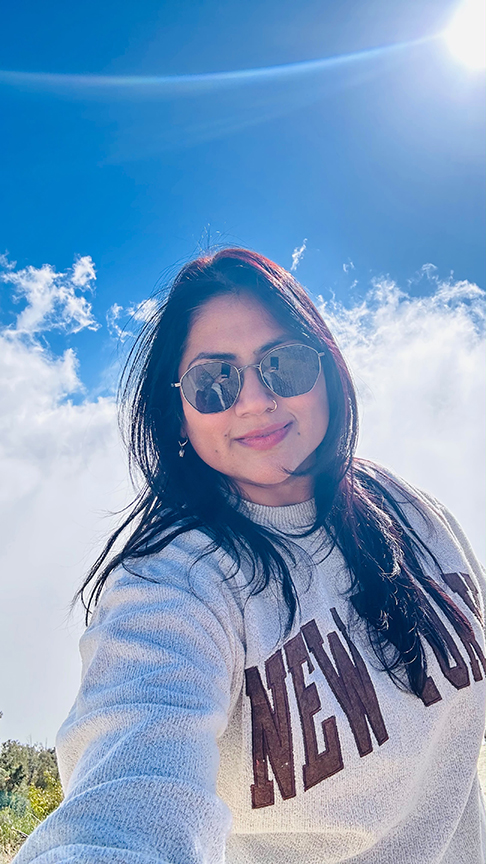
Shruti Parasuraman, an Indian product manager who relocated to Riyadh for work eight months ago, arrived expecting a more reserved society with limited social interaction, but found instead a diverse community and warm friendships that gave her a genuine sense of belonging from the start. She describes the city as having a thriving creative scene filled with people who have real energy and ambition. Her practical warning to newcomers is about the roads, noting that driving in Riyadh is something of a roller coaster ride.
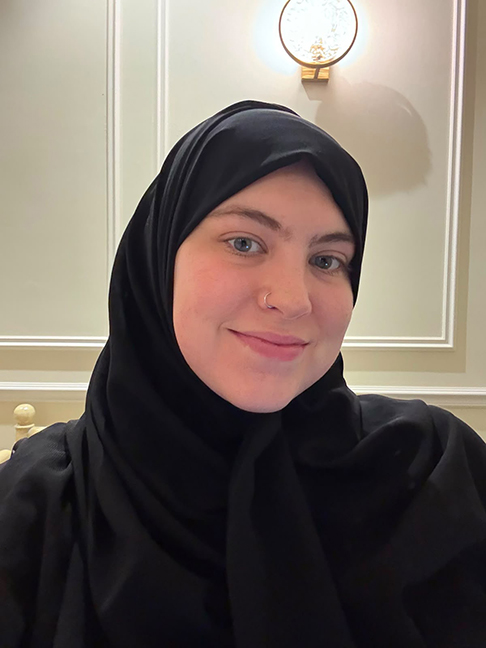
Nichole Hogan, an American tutor who moved to Riyadh two years ago, was struck by how much the country had to offer in terms of innovation, architecture, and the variety of cafés and activities available, none of which she had fully anticipated. Her most candid observation concerns road safety, noting behaviors such as infants without car seats and vehicles tailgating at high speeds. On the positive side, she was delighted to discover how large and active the English-speaking community in Riyadh is, and her advice to newcomers is to come ready to grow, accept that not everything familiar will be available, and keep putting yourself out there because change is worth embracing.
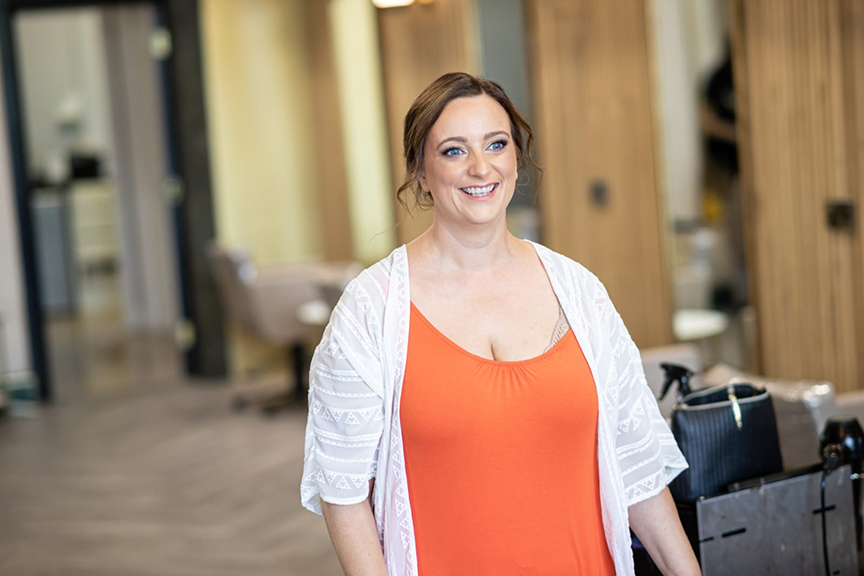
Ciara Bolger Gammans, an Irish teacher who has lived in Riyadh for three years, came with relatively realistic expectations, having visited the city several times before, though she found that driving here for the first time was more difficult than she had anticipated. Her first impression of Riyadh was that it was welcoming, vibrant, generous, and busy, and she has since found that the artistic and creative communities here are actively thriving. Her advice is to join interest groups as soon as possible because the right people are out there to be found.
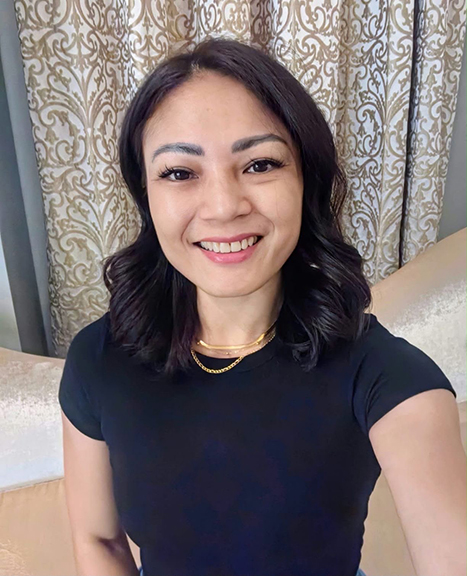
Dyan Manoloto, a Filipino personal trainer who first came to Riyadh in 2021 during the COVID-19 pandemic, when the local fitness industry in the Philippines had been among the hardest hit by lockdowns, arrived looking for better opportunities in a city that was managing the pandemic well. She admits she did not know what to expect because Saudi Arabia felt foreign and far away, but she was pleasantly surprised to find that she worked well with her clients and that getting around the city was not as difficult as she had feared. What struck her most was the strong emphasis on family values in Saudi culture, which she found similar to those she grew up with in the Philippines. She was also amazed by how cosmopolitan Riyadh turned out to be, and her advice to anyone coming for the first time is simply to keep an open mind and appreciate everything the city has to offer.
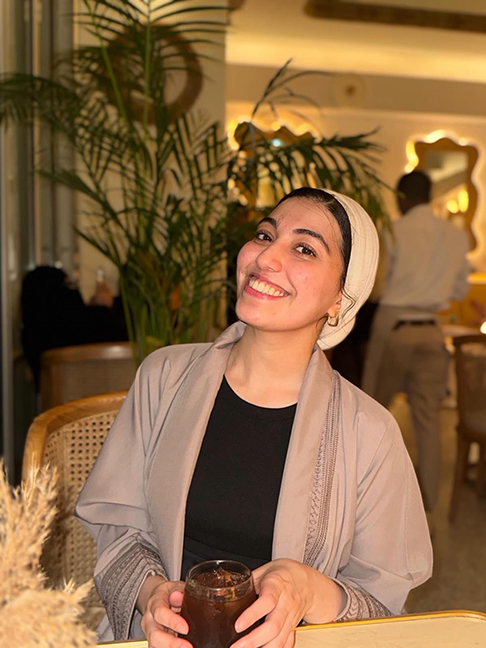
Rakia Korbi, a Tunisian English teacher with two years in Riyadh, had pictured Saudi Arabia as a strictly conservative society before she arrived, but the reality she encountered was considerably more welcoming and dynamic than those assumptions had led her to expect. The genuine kindness of the people around her stands out as her most lasting first impression. Her advice to those newly arrived is simply to give the adjustment period its due time because Riyadh, she says, has a way of becoming home.
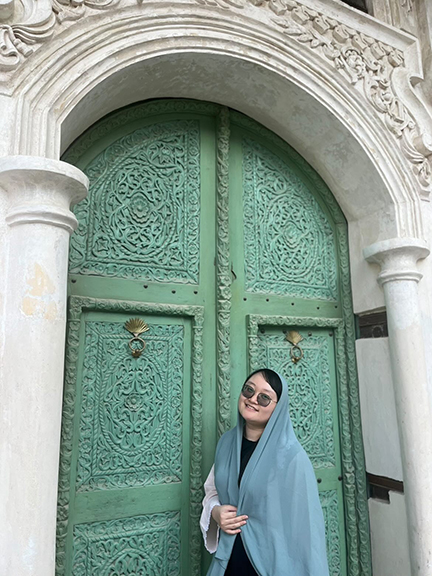
Han Nguyen, a Vietnamese business analyst who came to Riyadh a year ago on a job offer, is the most candid about the difficulty of starting over entirely alone, acknowledging how hard it is to manage everything independently in a new country. She wishes there had been a practical relocation guide covering things like finding housing and useful apps from the start, which would have made daily life more manageable and those early weeks considerably less overwhelming for someone navigating an unfamiliar city without a support system already in place. At the same time, she describes feeling safe and protected in Saudi Arabia and reflects that living here has pushed her to grow mentally and spiritually in ways she feels she could not have found elsewhere.
What these eight accounts share, across eight different countries of origin, is the sense that Riyadh tends to reveal itself gradually and on its own terms, and that those who adjust most comfortably are the ones who arrive with an open mind, seek out community early, and give themselves room to settle in before drawing any conclusions about what life here will look like.